How Much is Money Worth? It’s a question that has puzzled philosophers, economists, and ordinary people for centuries. In today’s world, money has become an essential part of our lives, but how much is it really worth? Is it just a means to an end, or is it an end in itself? Let’s embark on a fascinating journey to explore the value of money and its impact on our lives and the world around us.
From the ancient civilizations of Mesopotamia to the modern-day digital age, money has evolved significantly over the centuries. It has become a global phenomenon, shaping international relationships, fueling economic growth, and affecting the environment. But has money brought us happiness, or has it created new problems? Let’s delve into the complexities of money and its role in society.
The Role of Money in Measuring Success and Happiness

Money is often considered a key indicator of success and happiness, but the relationship between these concepts is more complex than we might think. In fact, there’s a phenomenon known as the “money illusion” that can deceive us into thinking we’re financially better off than we actually are.
The “Money Illusion” and Its Effects
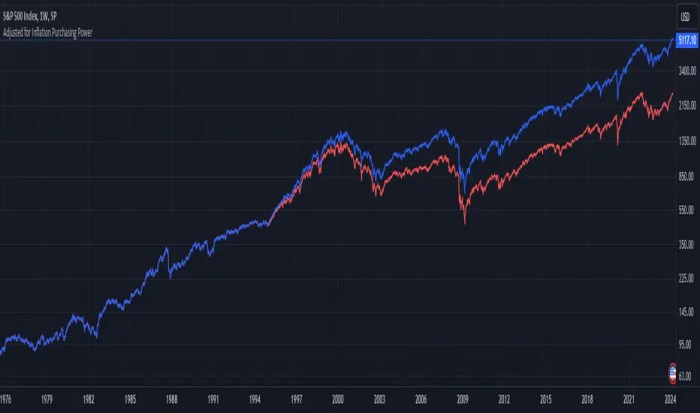
The money illusion refers to our tendency to overinflate the value of money due to inflation, leading us to believe our wages are increasing when, in reality, their purchasing power is decreasing. This can create a false sense of security and happiness, as we feel more wealthy than we truly are. For example, if your salary increases by 3% but inflation also rises by 3%, you may not be any better off financially.
The money illusion can also lead to overconsumption and poor financial decision-making, as we become accustomed to the idea that more money equals more happiness.
Psychological Theories Suggesting Money Can Buy Happiness
Several psychological theories propose that money can, in fact, contribute to happiness. For instance:
- The Easterlin Paradox states that once basic needs are met, additional income does not necessarily lead to greater happiness. However, this assumes that the money is spent wisely and does not lead to overconsumption.
- The Hedonic Treadmill theory suggests that our sense of happiness is influenced by our reference points, which can change over time. For example, if you get used to a certain level of income, you may begin to feel unsatisfied with it, even if your financial situation is improving.
- Closed-loop production: Designing products that can be continuously cycled back into production, eliminating the need for virgin raw materials and waste disposal.
- Biodegradable materials: Developing plant-based alternatives to traditional plastics, which can decompose harmlessly in the environment.
- Sharing economies: Encouraging sharing, leasing, and subscription services to reduce the need for individual ownership and waste generation.
- Improve operational efficiency
- Cut waste and pollution
- Enhance brand reputation and customer loyalty
- Foster a more collaborative and resilient supply chain
Limitations of These Theories and Their Relevance to Modern Society
Critics argue that these theories ignore issues such as social comparison, environmental impact, and the role of relationships in happiness. Furthermore, they often rely on averages, which can mask significant individual differences in how money affects happiness. Additionally, these theories rarely take into account the rising income gap and wealth inequality in modern societies. For example, a study found that while income levels rose in the United States between 1970 and 2010, self-reported happiness did not follow a similar trend.
This suggests that the relationship between money and happiness is more complex than previously thought, and that other factors may play a more significant role in determining our overall well-being.
| Theory | Description | Limits | Relevance |
|---|---|---|---|
| Easterlin Paradox | Suggests that once basic needs are met, additional income does not lead to greater happiness | Assumes wise spending and ignores social comparison | Helpful in understanding the relationship between income and happiness, but overlooks complexity |
| Hedonic Treadmill | Suggests that our sense of happiness is influenced by reference points | Ignores environmental impact and social comparison | Helpful in understanding why people feel unsatisfied with their income, but ignores broader factors affecting happiness |
THE IMPACT OF MONEY ON OUR ENVIRONMENT AND FUTURE GENERATIONS

Money, by its very nature, drives our desires and aspirations. It’s a fundamental aspect of modern life that governs how we live, what we buy, and ultimately, how we treat the world around us. However, it’s no secret that our pursuit of wealth and material possessions comes with a steep environmental price tag.
The statistics are striking: the production and disposal of plastic waste alone is responsible for over 10 million tons of plastic entering our oceans every year [1]. This staggering figure equates to 1 million plastic bottles per minute, contributing to an estimated 700 species threatened with extinction due to plastic pollution [2]. Our addiction to single-use plastics, fast fashion, and instant gratification has become a ticking time bomb for the planet.
THE RISE OF SUSTAINABLE BUSINESS MODELS
It’s time to flip the script and prioritize long-term value over short-term profits. Sustainable business models, like those championed by Patagonia, REI, and TerraCycle, are rewriting the rules of what it means to be successful. These forward-thinking companies focus on creating closed-loop systems, where products are designed to be recycled, reused, or biodegradable. This circular economy model not only reduces waste but also fosters innovation, job creation, and a healthier bottom line.
These innovative approaches not only benefit the environment but also create new revenue streams and opportunities for growth. As we transition towards a more circular economy, the traditional notion of profit and loss will be redefined.
THE TRUE COST OF CONSUMPTION, How much is money worth
The concept of “true cost” takes into account the environmental, social, and economic costs associated with production, distribution, and disposal. It’s a radical rethink of traditional accounting practices, which often prioritize short-term gains over long-term sustainability. By considering the true cost of consumption, businesses can:
Imagine a world where companies are held accountable for the true cost of their products and services. A world where growth is measured in terms of social and environmental impact, not just profit margins. This is the vision for a more sustainable future, where money no longer comes at the expense of our planet.[1]
The Ethics of Inheritance and Wealth Distribution
Wealth distribution is a complex issue that raises questions about fairness, equity, and social justice. At its core, it’s a discussion about how we treat one another when it comes to money and assets. Inheritance laws and philosophies reflect our values and priorities as a society. As we explore the ethics of inheritance and wealth distribution, we’ll examine the pros and cons of different approaches and highlight examples of individuals and organizations that are challenging traditional notions.One approach to inheritance is the principle of equal distribution, where heirs receive an equal share of the estate.
This approach can be seen in some countries’ tax laws, such as Sweden’s, where the tax rate on inherited wealth is the same as the tax rate on earned income. However, this approach can have unintended consequences, such as discouraging entrepreneurship and investment.Another approach is the principle of proportional distribution, where heirs receive a share of the estate based on their individual circumstances.
This approach is often seen in trusts, where the settlor (the person creating the trust) can specify the terms of distribution. For example, a trust might provide for a child with special needs to receive a larger share of the estate.But what are the moral implications of these approaches? Is it fair to prioritize one child over another? Should we consider the needs and circumstances of all heirs when distributing wealth?
These questions are at the heart of the debate around inheritance and wealth distribution.
Comparison of Inheritance Laws and Philosophies
Let’s take a closer look at some of the different approaches to inheritance and wealth distribution.When comparing the moral implications of equal and proportional distribution, several points come into play:
Fairness
Equal distribution may be seen as fair in the short term, but it can create unequal outcomes in the long term. For example, a child who is not financially invested may struggle to maintain their share of the estate.
Motivation
Proportional distribution can motivate heirs to work hard and invest in their futures, but it can also lead to resentment and conflict among family members.
Social welfare
Some argue that inheritance laws should prioritize social welfare, ensuring that wealth distribution does not perpetuate inequality or undermine social mobility.Other approaches to inheritance and wealth distribution include:
Taxation
Imposing taxes on inherited wealth can help redistribute wealth and create a more level playing field.
Social responsibility
Some argue that individuals and institutions have a social responsibility to use their wealth for the greater good.
Education and financial literacy
Providing education and financial literacy to heirs can help them make informed decisions about their inheritances.
Challenging Traditional Notions of Inheritance and Wealth Distribution
Some individuals and organizations are challenging traditional notions of inheritance and wealth distribution. For example:The Giving Pledge, a campaign launched by Bill Gates and Warren Buffett, encourages billionaires to give away at least half of their wealth during their lifetimes. This approach prioritizes philanthropy and social responsibility over personal wealth accumulation.The estate of Steve Jobs, co-founder of Apple, has been the subject of controversy due to his will.
Jobs left the majority of his estate to his wife and children, but his daughter has spoken out about the need for more equitable wealth distribution and greater transparency around the handling of inheritances.In conclusion, the ethics of inheritance and wealth distribution are complex and contentious issues that raise questions about fairness, equity, and social justice. Different inheritance laws and philosophies reflect our values and priorities as a society, and challenging traditional notions can lead to more equitable and sustainable outcomes.
Top FAQs: How Much Is Money Worth
Is money the root of all evil?
No, money is a tool, and its value lies in how we use it. Excessive attachment to wealth can lead to greed and harm others, but it’s not the primary cause of evil.
Can money buy happiness?
Research suggests that up to a certain point, money can contribute to happiness, but it’s not a guarantee. True satisfaction comes from meaningful relationships, personal growth, and a sense of purpose.
What is the impact of money on relationships?
Families, friends, and romantic partners can be affected by financial stress and conflicts. Open communication and mutual support can strengthen relationships and overcome financial challenges.
How can we redefine the worth of money?
We can start by prioritizing experiences and memories over material possessions, adopting sustainable and environmentally-friendly habits, and cultivating a growth mindset to appreciate the value of time and relationships.
What are some examples of sustainable business models?
Companies like Patagonia and The Body Shop have incorporated environmentally-friendly practices, fair labor standards, and community development into their business models.
How can we balance individual needs and social responsibility?
We can practice empathy, understand the needs of others, and make informed choices that benefit both ourselves and the community, ultimately creating a more sustainable and equitable world.
